BLOG
/
Security
The call that starts with “your computer has a virus”
Americans lost more than a billion dollars to tech-support scams in 2025. Here is exactly how the call goes, and what to do if you already let someone in.
Moonlark Team

The phone rings and someone tells you your computer is infected. They sound calm and professional. They may already know your name, and sometimes what kind of computer you own. They ask you to install a small program so they can take a look.
In 2025 that call took just over a billion dollars from Americans. Adults over 60 lost 7.75 billion dollars to online crime that year, a 59 percent increase, averaging more than 38,000 dollars each. These are not careless people. The script is very good, and AI voice tools have made it better.
How the call actually goes
They create urgency: your account is compromised, there is fraudulent activity, your computer is sending spam
They ask you to install remote-access software so they can help. This is the moment the scam succeeds or fails
Once connected they show you routine system messages and describe them as infections
They ask for payment in gift cards, a wire, or cryptocurrency. Real companies never do
Some will call back weeks later offering a refund for the first scam, which is a second scam
If you already let someone in
Do these in order. It matters more than how it happened.
Disconnect the computer from the internet, either unplug the cable or turn off the Wi-Fi
Call your bank and your card issuers from a different phone if you gave any payment details
Change your email password first, from another device. Email is the key to resetting everything else
Turn on two-factor authentication everywhere it is offered, starting with email and banking
Assume the remote-access software is still installed. It usually is, and it usually does not appear in an obvious place
Two rules that prevent almost all of it
Nobody legitimate calls you first about a virus. Not Microsoft, not Apple, not your bank, not your internet provider. If you did not place the call, hang up and dial the number on the back of your card or the company’s real website.
And no real company is ever paid in gift cards. If gift cards come up in any conversation about money, the conversation is a scam, full stop.
If it already happened
Change the password on your email account first, because that is what resets everything else. Then call your bank's fraud line using the number on the back of your card, and report it to the Federal Trade Commission at reportfraud.ftc.gov. If money moved, your bank and the FTC are the right first calls, not an IT company.
Keep reading
Home Tips
Jun 2026
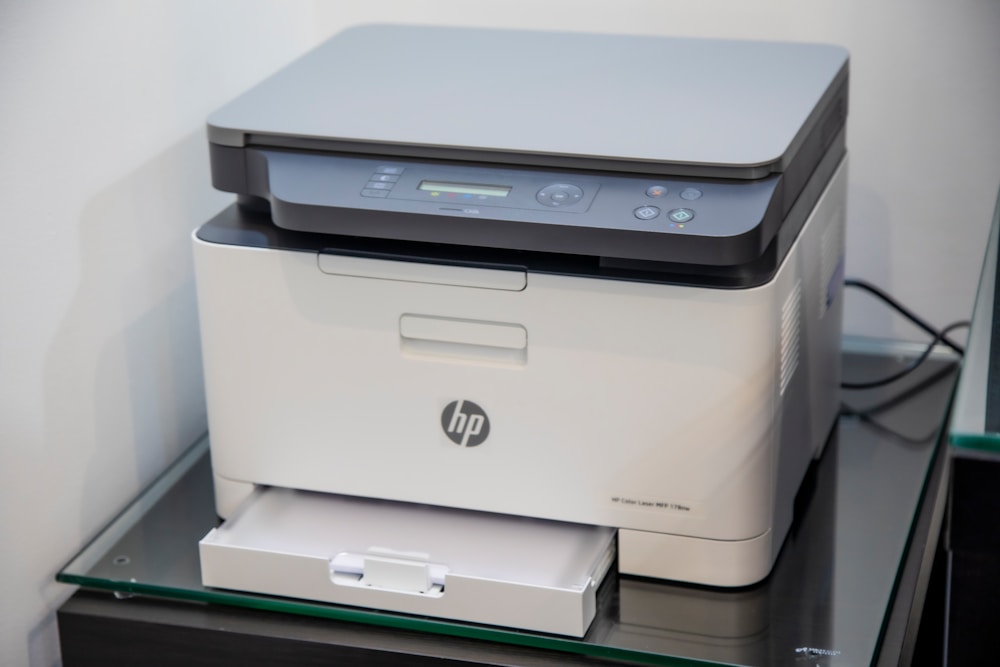
Why your printer keeps disappearing (and how to make it stop)
It printed fine last week. Now the laptop says it is offline and nothing you click brings it back. Here is what is actually happening.
Moonlark Team
Security
Jun 2026
The call that starts with “your computer has a virus”
Americans lost more than a billion dollars to tech-support scams in 2025. Here is exactly how the call goes, and what to do if you already let someone in.
Moonlark Team

Small Business
Jun 2026
What the derecho taught small businesses about backups
On August 10, 2020, every business in Cedar Rapids lost power inside an hour. The ones that reopened quickly all had the same three things in place.
Moonlark Team
GET STARTED
Let us get it working.
Tell us what is going on, at home or at work, and we will tell you what we would do about it. The conversation costs nothing.
No contract · Plain pricing · Local, on-site help